
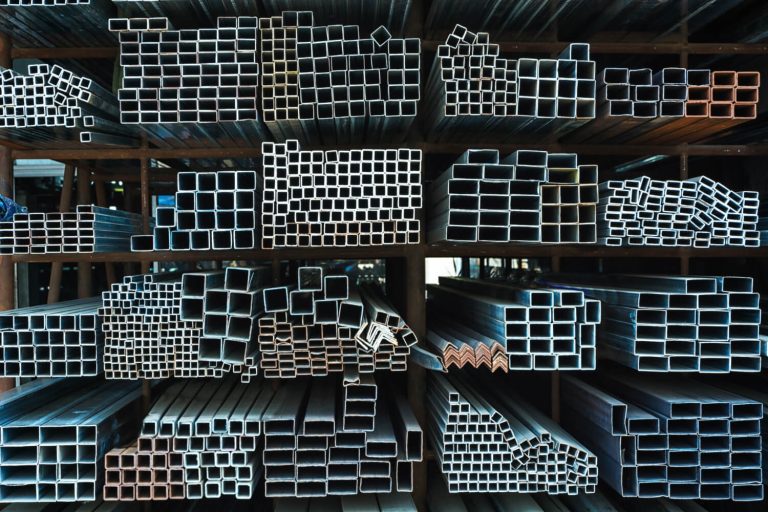
Metal
Steel comes in various types such as carbon steel, alloy steel, and stainless steel, each with unique properties suited for specific applications. Carbon steel, which is primarily composed of iron and carbon, is one of the most widely used forms of steel. It is known for its strength and durability, making it ideal for construction and manufacturing applications. Carbon steel can be further categorized into low, medium, and high carbon steel, each offering different levels of hardness and ductility. This versatility allows it to be used in a range of products, from structural beams and reinforcing bars to automotive components and tools.
Metal
Steel comes in various types such as carbon steel, alloy steel, and stainless steel, each with unique properties suited for specific applications. Carbon steel, which is primarily composed of iron and carbon, is one of the most widely used forms of steel. It is known for its strength and durability, making it ideal for construction and manufacturing applications. Carbon steel can be further categorized into low, medium, and high carbon steel, each offering different levels of hardness and ductility. This versatility allows it to be used in a range of products, from structural beams and reinforcing bars to automotive components and tools
Alloy steel, on the other hand, is made by adding other elements such as chromium, nickel, or molybdenum to the basic iron-carbon structure. These additional elements enhance specific properties, such as strength, toughness, and resistance to wear and corrosion. Alloy steels are commonly used in applications that require superior performance under extreme conditions, such as in the manufacturing of gears, shafts, and pressure vessels. The ability to tailor the composition of alloy steel to meet the demands of various industries makes it a critical material in sectors like aerospace, automotive, and energy.
Stainless steel is another important category of steel, distinguished by its high resistance to corrosion and staining. This property is primarily due to the addition of chromium, which forms a protective oxide layer on the surface of the steel. Stainless steel is widely used in environments where hygiene and corrosion resistance are paramount, such as in the food processing, medical, and chemical industries. Its aesthetic appeal also makes it a popular choice for kitchen appliances and architectural applications. The various grades of stainless steel, such as austenitic, ferritic, and martensitic, provide options for different mechanical properties and corrosion resistance levels
The selection of the appropriate type of steel for a specific application is crucial for ensuring performance and longevity. Engineers and designers must consider factors such as strength, ductility, corrosion resistance, and cost when choosing the right steel type. For example, while carbon steel may be suitable for structural applications, stainless steel is preferred for environments exposed to moisture or chemicals. This careful consideration helps to optimize the performance of products and structures, ultimately leading to safer and more efficient designs
Moreover, advancements in steel manufacturing processes are continually improving the quality and properties of steel. Techniques such as heat treatment, cold working, and alloying are employed to enhance the mechanical properties of steel, allowing for the production of high-performance materials. Innovations in production methods, such as electric arc furnaces and continuous casting, have also contributed to more sustainable practices by reducing energy consumption and waste. These advancements not only improve the material properties but also align with the growing demand for environmentally friendly manufacturing processes
The recycling of steel is another significant aspect of the industry. Steel is one of the most recycled materials globally, with a recycling rate exceeding 80%. The recycling process not only conserves natural resources but also reduces energy consumption and greenhouse gas emissions compared to producing new steel from raw materials. This circular economy approach is increasingly important as industries strive to reduce their environmental impact and promote sustainability
In conclusion, the diverse types of steel—carbon steel, alloy steel, and stainless steel—each serve specific purposes across various industries. Understanding the unique properties and applications of each type is essential for engineers, manufacturers, and designers to make informed decisions. As technology continues to advance, the steel industry is poised to enhance its sustainability and performance, ensuring that it remains a foundational material in modern construction, manufacturing, and beyond. The ongoing commitment to innovation and recycling will play a crucial role in shaping the future of steel production and usage
