
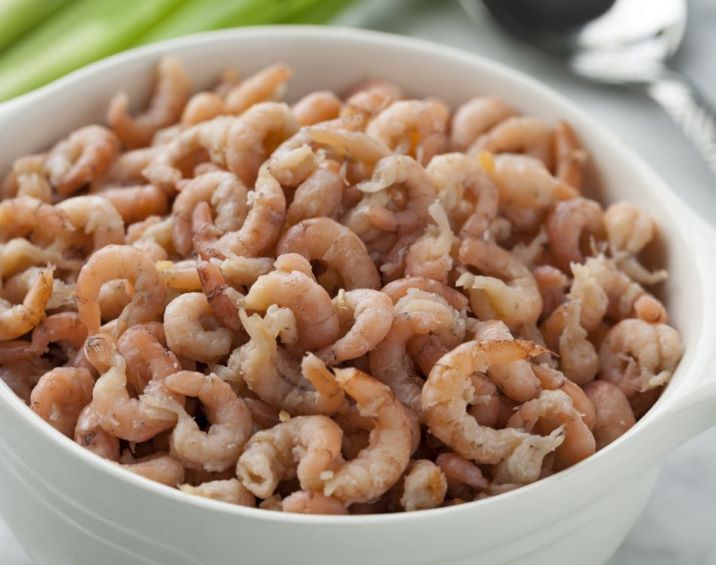
Prawn
Succulent, flavorful, versatile seafood delicacy, shrimp adds a delightful touch to countless dishes around the world. With its tender texture and mild sweetness, shrimp has become a beloved ingredient in various cuisines, from Asian stir-fries and Mediterranean pasta to classic American shrimp cocktails. Its adaptability makes it suitable for a wide range of cooking methods, including grilling, boiling, sautéing, and frying, allowing chefs and home cooks alike to experiment and create diverse culinary experiences.
Shrimp is not only delicious but also highly nutritious. It is a low-calorie source of protein, rich in essential nutrients such as selenium, vitamin B12, and iodine. Additionally, shrimp contains omega-3 fatty acids, which are beneficial for heart health. This nutritional profile makes shrimp a popular choice for those looking to maintain a balanced diet without sacrificing flavor. However, it is important to source shrimp responsibly, as overfishing and unsustainable farming practices can have negative impacts on marine ecosystems.
Prawn
Succulent, flavorful, versatile seafood delicacy, shrimp adds a delightful touch to countless dishes around the world. With its tender texture and mild sweetness, shrimp has become a beloved ingredient in various cuisines, from Asian stir-fries and Mediterranean pasta to classic American shrimp cocktails. Its adaptability makes it suitable for a wide range of cooking methods, including grilling, boiling, sautéing, and frying, allowing chefs and home cooks alike to experiment and create diverse culinary experiences.
Shrimp is not only delicious but also highly nutritious. It is a low-calorie source of protein, rich in essential nutrients such as selenium, vitamin B12, and iodine. Additionally, shrimp contains omega-3 fatty acids, which are beneficial for heart health. This nutritional profile makes shrimp a popular choice for those looking to maintain a balanced diet without sacrificing flavor. However, it is important to source shrimp responsibly, as overfishing and unsustainable farming practices can have negative impacts on marine ecosystems.
The global shrimp market is vast, with various species available, including white shrimp, brown shrimp, and tiger shrimp. Each species has its own distinct flavor and texture, catering to different culinary preferences. For instance, the sweet, firm flesh of the Gulf shrimp is often favored in Southern U.S. cuisine, while the larger, meaty tiger shrimp is popular in Asian dishes. Understanding the characteristics of different shrimp varieties can enhance the cooking experience and help in selecting the right type for specific recipes.
When it comes to preparing shrimp, freshness is key. Whether purchasing fresh or frozen shrimp, it is essential to check for signs of quality. Fresh shrimp should have a mild, briny scent and a firm texture, while frozen shrimp should be well-packaged and free from freezer burn. For optimal flavor, shrimp can be marinated in a variety of ingredients, such as garlic, lemon, herbs, and spices, allowing the natural sweetness of the shrimp to shine through. Quick cooking is ideal, as overcooking can lead to a rubbery texture; shrimp is typically done when it turns pink and opaque.
Shrimp is a staple in many iconic dishes around the world. In the Caribbean, shrimp is often featured in spicy stews and grilled with tropical seasonings. In Italy, shrimp plays a key role in seafood pasta dishes, such as shrimp scampi or linguine with shrimp and garlic. In Southeast Asia, shrimp is commonly used in curries, stir-fries, and spring rolls, showcasing its versatility in various flavor profiles. The ability of shrimp to absorb spices and seasonings makes it a favorite among chefs who enjoy creating bold and innovative dishes.
Sustainability is an increasingly important consideration in the shrimp industry. As consumers become more aware of the environmental impact of seafood production, there is a growing demand for responsibly sourced shrimp. Certifications such as the Marine Stewardship Council (MSC) and the Aquaculture Stewardship Council (ASC) help consumers identify products that are harvested or farmed sustainably. Supporting these initiatives not only promotes healthier oceans but also encourages ethical practices within the seafood industry.
In addition to its culinary uses, shrimp has also inspired a variety of cultural traditions and festivals. In regions where shrimp fishing is a significant industry, local festivals often celebrate the harvest with food, music, and community gatherings. These events highlight the cultural significance of shrimp and its role in local economies, fostering a sense of community and pride among those who depend on this seafood delicacy.
In conclusion, shrimp is a succulent and versatile seafood delicacy that enhances a wide array of dishes worldwide. Its unique flavor, nutritional benefits, and adaptability make it a favorite among chefs and home cooks alike. As the shrimp industry evolves to address sustainability concerns, consumers are encouraged to make informed choices that support responsible sourcing. Whether enjoyed in a classic recipe or as part of an innovative culinary creation, shrimp continues to be a cherished ingredient that brings joy and flavor to dining experiences around the globe.
