
Saffron
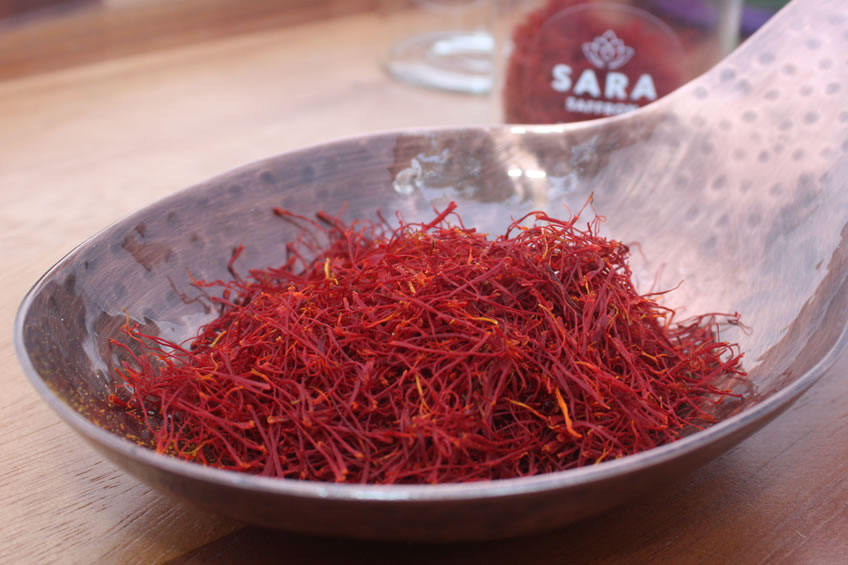
Aromatic, vibrant, crimson strands, saffron is prized for its unique flavor and vibrant color. Known as the world’s most expensive spice by weight, saffron is derived from the stigmas of the Crocus sativus flower, commonly referred to as the saffron crocus. Each flower produces only three red stigmas, which must be carefully hand-harvested during a short blooming season, making the collection process labor-intensive and time-consuming. This meticulous harvesting contributes to saffron’s high market value, as it takes tens of thousands of flowers to produce just one pound of this exquisite spice.
Saffron has a rich history that spans thousands of years, with its origins traced back to the Mediterranean region and parts of Asia. It has been used not only as a culinary ingredient but also for medicinal and dyeing purposes. Ancient civilizations, including the Egyptians, Greeks, and Romans, valued saffron for its flavor, fragrance, and purported health benefits. In traditional medicine, saffron has been used to treat various ailments, including digestive issues and respiratory problems, and is believed to have mood-enhancing properties.
Saffron
Aromatic, vibrant, crimson strands, saffron is prized for its unique flavor and vibrant color. Known as the world’s most expensive spice by weight, saffron is derived from the stigmas of the Crocus sativus flower, commonly referred to as the saffron crocus. Each flower produces only three red stigmas, which must be carefully hand-harvested during a short blooming season, making the collection process labor-intensive and time-consuming. This meticulous harvesting contributes to saffron’s high market value, as it takes tens of thousands of flowers to produce just one pound of this exquisite spice.
Saffron has a rich history that spans thousands of years, with its origins traced back to the Mediterranean region and parts of Asia. It has been used not only as a culinary ingredient but also for medicinal and dyeing purposes. Ancient civilizations, including the Egyptians, Greeks, and Romans, valued saffron for its flavor, fragrance, and purported health benefits. In traditional medicine, saffron has been used to treat various ailments, including digestive issues and respiratory problems, and is believed to have mood-enhancing properties.
The flavor profile of saffron is complex and distinctive, often described as earthy, floral, and slightly sweet. When infused in dishes, saffron adds a subtle richness that elevates the overall taste. Its vibrant yellow-orange hue, when added to rice, soups, and sauces, transforms the appearance of a dish, making it visually appealing. Saffron is a key ingredient in many traditional recipes, such as the famous Spanish paella, Italian risotto alla Milanese, and Persian saffron rice. The spice’s ability to enhance both flavor and color makes it a favorite among chefs and home cooks alike.
To fully appreciate saffron’s unique qualities, proper preparation is essential. It is often recommended to soak saffron strands in warm water, broth, or milk before adding them to a dish. This process helps to release the spice’s flavor and color, ensuring an even distribution throughout the meal. A little saffron goes a long way, and even a small amount can impart a significant depth of flavor and a beautiful golden hue to a variety of dishes.
Given its high price point, the saffron market has seen issues with adulteration and mislabeling. Unscrupulous sellers may dilute pure saffron with lower-quality substances or sell imitations that lack the distinctive flavor and aroma. To ensure authenticity, consumers should look for reputable sources and consider purchasing saffron that is certified or labeled with its origin. Genuine saffron should have a strong, fragrant aroma and a deep red color, with minimal yellow or white parts, which indicate lower quality.
Sustainability is also becoming an important aspect of saffron production. As demand for this precious spice grows, there is an increasing focus on sustainable farming practices that protect the environment and support local communities. Many saffron producers are adopting organic farming methods, avoiding synthetic fertilizers and pesticides, which not only enhances the quality of the saffron but also promotes biodiversity and soil health. Supporting these sustainable practices can help ensure that saffron production remains viable for future generations.
In recent years, saffron has also gained attention in the realm of health and wellness. Research has explored its potential benefits, including its antioxidant properties and possible effects on mood and cognitive function. While more studies are needed to fully understand its health implications, saffron is increasingly being incorporated into dietary supplements and wellness products.
In conclusion, saffron is a luxurious and highly prized spice that captivates the senses with its aromatic, vibrant strands and unique flavor. Its rich history, labor-intensive harvesting process, and versatility in cooking make it a cherished ingredient in cuisines around the world. As the saffron industry evolves to address challenges such as sustainability and authenticity, this exquisite spice continues to hold a special place in both culinary traditions and modern gastronomy. Whether used to enhance a traditional dish or to explore new culinary creations, saffron remains a symbol of luxury and a testament to the art of fine cooking.
