
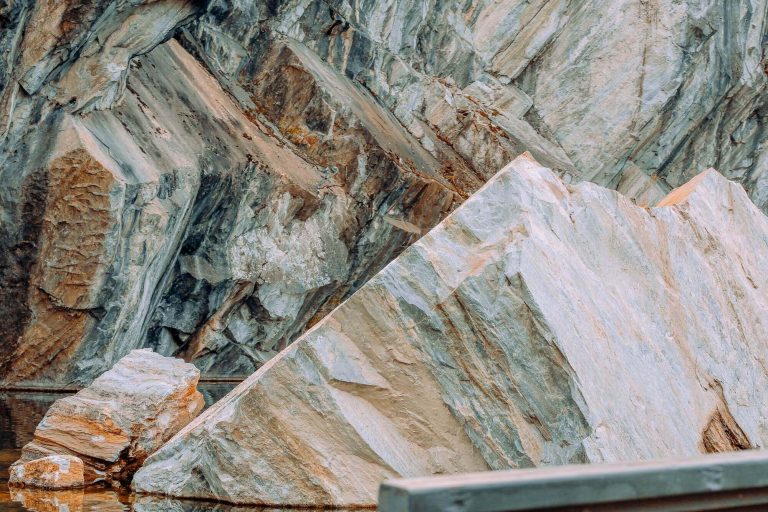
Mineral materials
Mining materials such as metals, coal, and precious gems are essential for various industries, including construction, electronics, and jewelry production. Metals like iron, copper, and aluminum are fundamental to building infrastructure, manufacturing vehicles, and creating electronic devices. The construction industry relies heavily on these materials for everything from steel beams in skyscrapers to wiring in homes. Similarly, coal is a critical energy source, not only for electricity generation but also for producing steel through metallurgical processes. Its role in powering industries and heating homes underscores its importance in the global economy.
On the other hand, precious gems like diamonds, emeralds, and sapphires play a vital role in the jewelry industry, symbolizing luxury and status. Beyond aesthetics, these gems also have industrial applications; for example, diamonds are used in cutting and grinding tools due to their hardness. The extraction and processing of these materials, however, raise significant environmental and ethical concerns, including habitat destruction and labor practices. As industries evolve, there is a growing emphasis on sustainable mining practices and the development of alternative materials to mitigate these issues while still meeting global demand.
Mineral materials
Mining materials such as metals, coal, and precious gems are foundational to many industries, playing a crucial role in modern society. Metals like iron, copper, and aluminum are integral to construction, electronics, and transportation. In construction, steel, which is primarily made from iron, is used for structural components, while copper is essential for electrical wiring. The demand for these metals continues to rise, driven by urbanization and technological advancements, highlighting the importance of sustainable mining practices to ensure a steady supply without depleting natural resources
Coal remains one of the most significant energy sources worldwide, primarily used for electricity generation and steel production. Despite the increasing shift towards renewable energy, coal’s role in industrial processes, particularly in developing economies, cannot be overlooked. The mining and burning of coal, however, come with environmental challenges, including greenhouse gas emissions and air pollution. As countries strive to balance economic growth with environmental sustainability, innovations in cleaner coal technologies and alternative energy sources are becoming more critical
Precious gems, including diamonds, rubies, and sapphires, hold immense value not only for their beauty but also for their cultural significance. The jewelry industry thrives on these gemstones, which symbolize wealth and status across various cultures. However, the extraction of these gems often raises ethical concerns, particularly regarding labor practices and environmental impact. Efforts are underway to promote ethical sourcing and transparency in the supply chain, ensuring that consumers can make informed choices about the products they purchase
The mining industry is also experiencing a technological transformation. Advances in automation, artificial intelligence, and data analytics are reshaping how resources are extracted and processed. These technologies enhance efficiency, reduce costs, and minimize environmental impact. For instance, automated machinery can operate in hazardous conditions, reducing the risk to human workers. Additionally, improved data analysis allows for better resource management and planning, leading to more sustainable mining practices
Environmental stewardship is becoming a priority within the mining sector. Companies are increasingly adopting practices that minimize their ecological footprint, such as reducing water usage, managing waste effectively, and rehabilitating mining sites after closure. These initiatives not only address regulatory requirements but also resonate with consumers who are more environmentally conscious. By prioritizing sustainability, the mining industry can contribute positively to local communities and ecosystems
Furthermore, the global demand for recycled materials is on the rise, driven by the need to reduce waste and conserve natural resources. Recycling metals and gemstones can significantly lessen the environmental impact associated with mining. For example, recycling aluminum saves up to 95% of the energy required to produce new aluminum from raw materials. As technology improves, the efficiency of recycling processes will likely increase, making it a more viable alternative to traditional mining
In conclusion, the mining of metals, coal, and precious gems is a complex interplay of economic necessity, technological advancement, and environmental responsibility. As industries evolve and global demands shift, the focus on sustainable practices and ethical sourcing will shape the future of mining. By embracing innovation and prioritizing sustainability, the mining sector can continue to provide essential materials while protecting the planet and supporting communities. The path forward requires collaboration among stakeholders, including governments, companies, and consumers, to ensure a balanced approach to resource extraction and conservation
